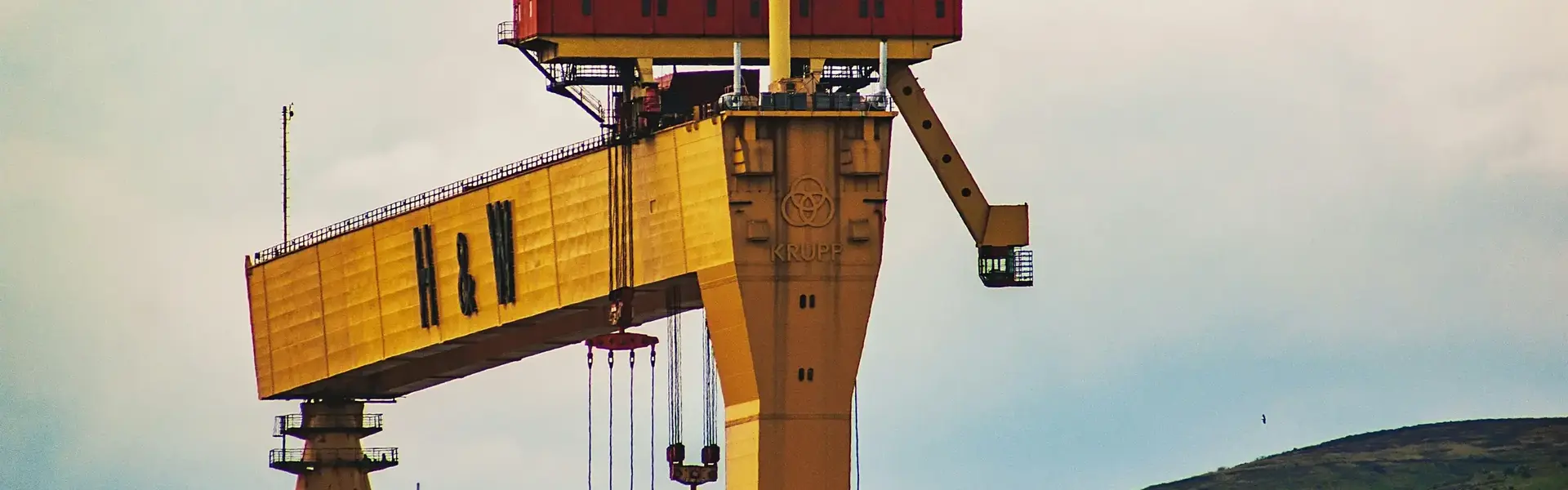
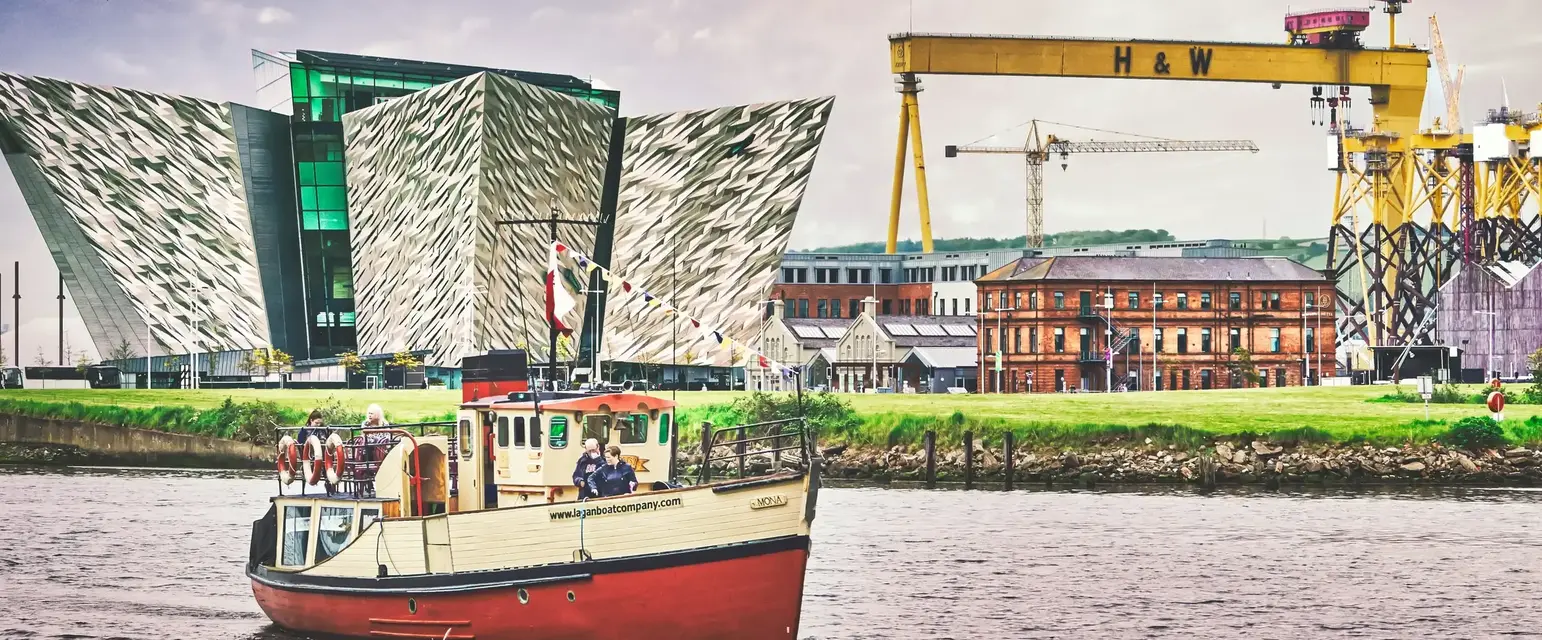
Belfast doesn’t just have history; it has a heavy, industrial heartbeat that you feel in your boots. This is the city that built the world’s greatest ships, and that same titanic ambition still anchors the Titanic Quarter, where the iconic yellow Harland & Wolff cranes stand like iron sentinels over a reimagined waterfront. It’s a city of layers, where Victorian red-brick grandeur meets the stark, storytelling power of the world-famous murals. We’ve traded the echoes of the shipyard for the hum of a modern, creative capital, but we’ve kept the grit that makes this place real.
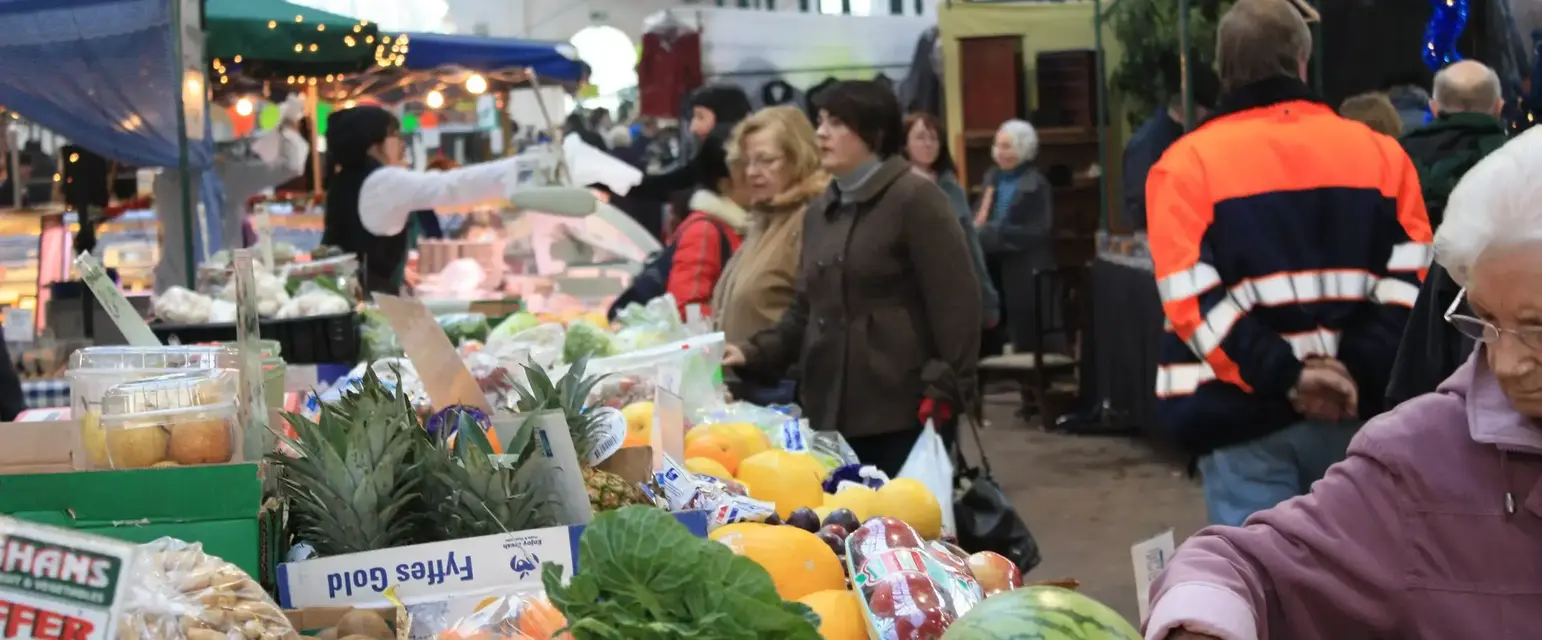
The culture here isn’t found in a museum—it’s lived in the "entries," those narrow, cobbled alleyways where the smell of woodsmoke and hops pulls you into a centuries-old pub. From the high-brow elegance of the Cathedral Quarter, with its neon-lit street art and avant-garde galleries, to the foot-stomping traditional sessions of the west, the city is a masterclass in contrast. It’s a place that values the "craic" above all else, where a stranger’s recommendation for the best Ulster Fry is as sacred as a Sunday sermon.
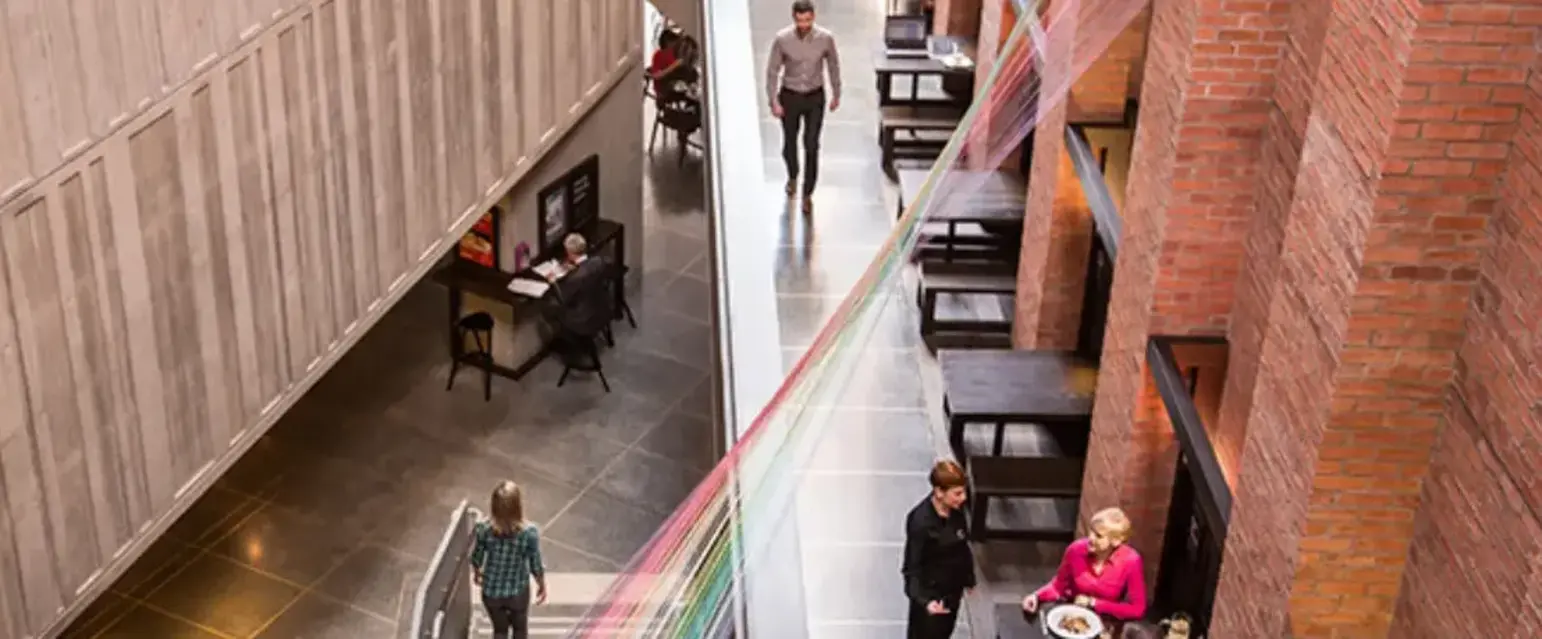
When it comes to the local fabric, neighborhoods like the Queen’s Quarter offer a leafy, intellectual reprieve, blending red-brick heritage with a restless, student-led energy. The design aesthetic across the city mirrors this—sharp, functional, and unapologetically tactile. You’ll see it in the way we’ve repurposed old linen mills into sleek, sun-drenched lofts and creative hubs. It’s a city that honors its scars while dressing them in world-class design, proving that Belfast isn't just a destination; it’s a living, breathing comeback story.


,_December_2009.webp?language=en)


_view3_v2.webp?language=en)